
Innovation is one of the most important things that sets us apart from the apes of the past. That’s how we went from caveman grubbers to the society we are today. It wasn’t strength, and not even intelligence on its own. Rather, the ability to imagine something different and then make it real. To look at a problem, a discomfort, a limitation, and think… there has to be another way.
But innovation isn’t one thing. It isn’t always flashy or futuristic or tied to billion-dollar breakthroughs. Sometimes it’s born out of hard times. Sometimes out of love. Sometimes out of necessity. Sometimes simply out of the desire to make life a little easier, safer, or more humane.
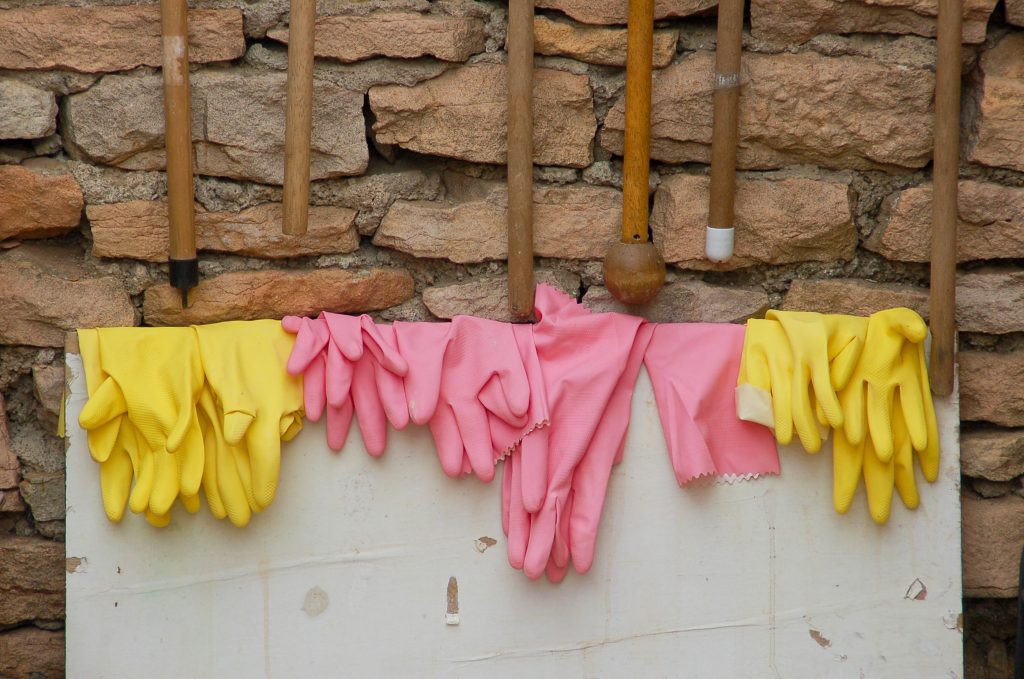
Take something as simple as rubber gloves. A man had them created because his wife was a nurse, and her hands were blistered and bleeding from constant handwashing. That’s innovation rooted in care. In attention. In noticing someone else’s pain and refusing to accept it as inevitable.
So, what is innovation, really? Is it something we’re pushed into when circumstances get difficult? Is it an act of love? Is it about building a better future, one where people can thrive rather than just survive? I think it’s all of those things at once.
We often talk about innovation only in terms of the “big” stuff: medical breakthroughs, financial systems, technological revolutions. And yes, those matter. Insulin changed the lives of people with diabetes. Advances in medicine, accessibility tools, and communication technology have reshaped what’s possible for millions of people. But innovation also lives in the smaller, quieter shifts we barely register. Pills designed to support weight loss. Protein packed into bars for people who don’t have time to cook full meals. Fonts developed specifically to be easier to read for people with dyslexia. These aren’t headline-grabbing inventions, but they change daily life in real ways.
Innovation shows up in systems too. In banking. In finance. In the creation of stocks, digital currencies, and entirely new ways of thinking about value and exchange. Some of these developments are controversial. Some are unstable. Some may fail entirely. But even failure is part of innovation. It’s proof that we are still experimenting, still trying to imagine alternatives to what already exists.
The same can be said for intellectual innovation. Think about psychology. Like how Freud made waves by suggesting that human behaviour wasn’t just random or purely rational, but shaped by unconscious drives, childhood experiences, and inner conflict. His ideas are debated, criticized, revised, and sometimes outright rejected; yet they still moved us forward. They cracked open new questions about the human mind. Innovation doesn’t have to be perfect to be meaningful; it just has to push us somewhere new.
Sometimes innovation is deeply personal and cultural. Immigrants arriving in unfamiliar places often innovate out of necessity. Without access to the same ingredients, tools, or traditions, they recreate the flavours of home in new ways. Like Italian immigrants adapting recipes with what was available, creating dishes that didn’t exist before but still carried the emotional weight of nostalgia. That, too, is innovation.
This blog exists to explore innovation in all of these forms. The obvious and the overlooked. The polished and the improvised. The systems that reshape economies and the small adjustments that make everyday life more livable. Innovation isn’t just about progress. It’s about care, adaptation, curiosity, and the refusal to accept that things must stay exactly as they are.
Because innovation, at its core, is the belief that the future can be better, and that we have a role in shaping it.